The Rebozo
A blanket of a thousand colors woven on ancient looms
There is a garment in Mexico that takes the better part of a year to make. Not because it is complicated by machinery or slowed by supply chains, but because the thread is so fine, and the hands so deliberate, that rushing it would betray everything it is.
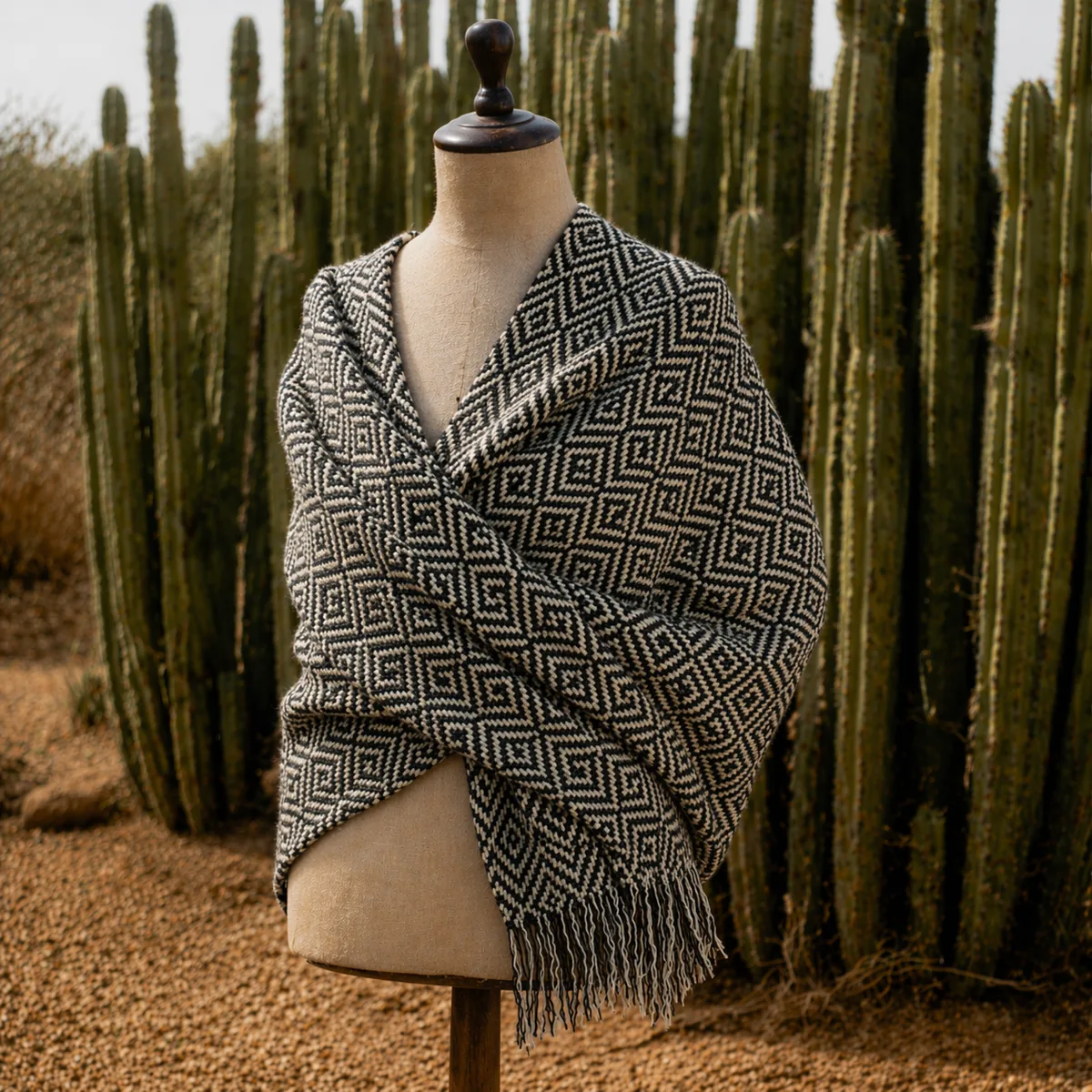
This is the rebozo a length of woven cloth, usually worn draped over the shoulders or wrapped around the body, that has been part of Mexican life for over three hundred years. It has been called la insignia mexicana, the emblem of Mexico itself. And in the small towns of Calimaya and Tenancingo in the Estado de Mexico, families still weave them the way their great-grandparents did, on looms old enough to have their own stories.
What the Loom Holds
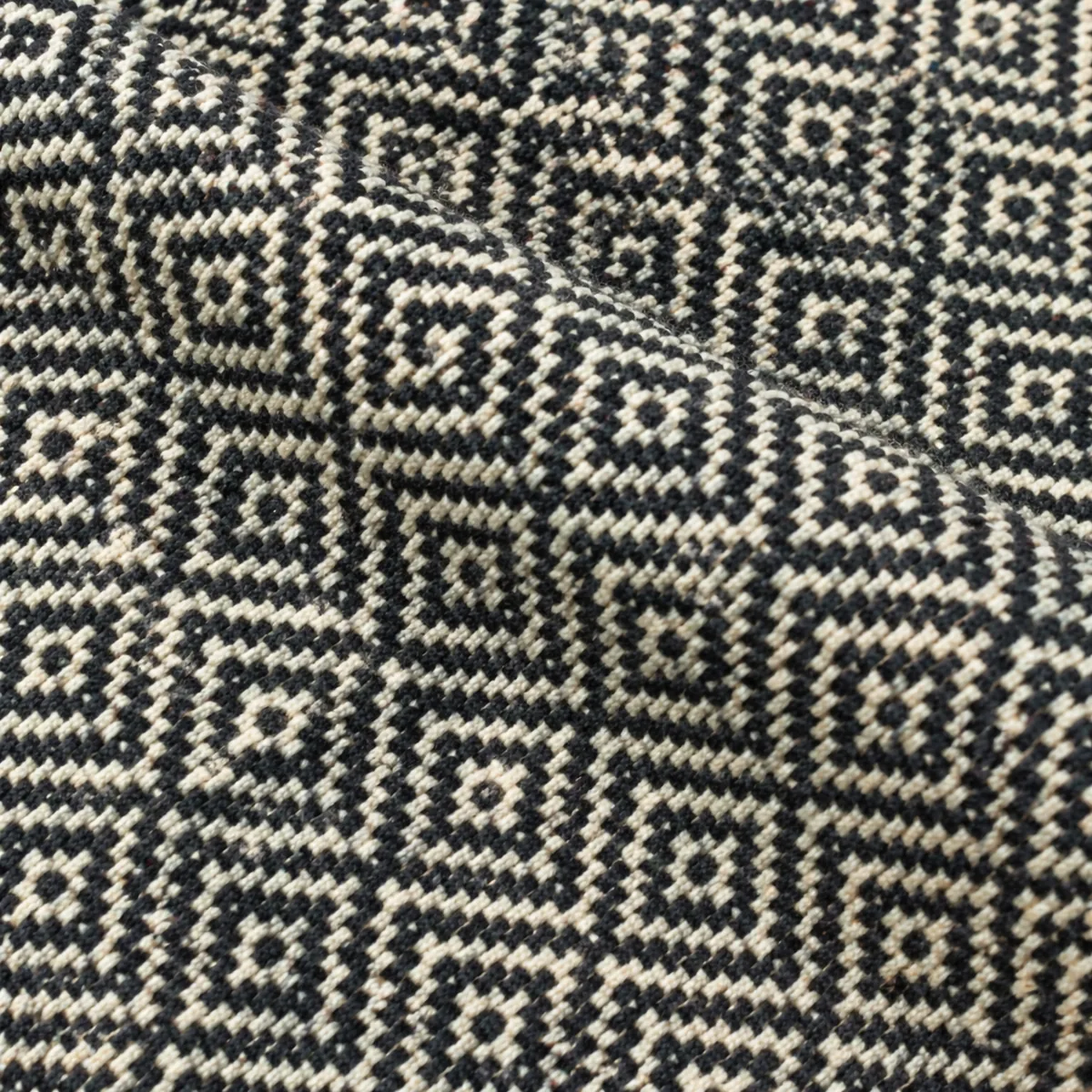
A rebozo begins as thread. The thinner the thread, the finer the finished cloth, and the longer the work takes. A single rebozo can require six to eight or even ten months from the first counting of knots and threads to the final knot in its fringe depending on the fineness of the thread.
The looms themselves telares antiguos are family heirlooms. Some have been in workshops for generations, their wooden frames worn smooth by decades of use. In the Estado de Mexico, there is a tradition found nowhere else in the country: the men operate the looms. In other Mexican states, weaving is typically women's work. Here, the looms have historically been the domain of caballeros, and the craft passed from father to son.
That tradition has bent over time. One artisan describes how her father intended to hand the craft to a male heir a son. Being a woman, she was passed over. But eventually he gave his blessing through her husband, teaching him the work. Through that bridge, she learned. When her father finally stepped away, he said he left with the satisfaction of having passed on what he had learned.
Aqui se hacia cuando eran ninas — This was done here when they were girls.
The Fringe That Came Back
The most striking part of a rebozo is often its fringe the punta, the knotted edging that hangs from each end. A skilled artisan can tie patterns into this fringe that are as intricate as lace, each knot placed with intention.
There is a particular style called punta de artista the artist's fringe that had slipped from practice. Its recovery followed an unlikely path. Artisans from the region visited an exhibition at the Franz Mayer Museum in Mexico City, where historical rebozos were on display. Among them was a piece with this elaborate edging. They brought back a photograph.
One of the elder artisans looked at it and recognized it immediately. "Aqui se hacia cuando eran niñas," she said. This was done here when they were girls. The design had not been lost entirely. It had slipped from hands into memory, and from memory into museum glass. Seeing the photograph was enough the artisans worked to reproduce the old fringe design, and the technique returned to the workshop.
More Than a Shawl
For generations, the rebozo carried a quiet assumption it was something for señoras, for grandmothers, for women of a certain age. Younger people saw it as old-fashioned.
That perception is changing. A collective of roughly thirty-five artisans across Calimaya and Tenancingo has been working to open the rebozo to new forms: shirts woven in rebozo cloth, scarves and bufandas designed for men, keychains, bags, and other accessories that carry the same thread and the same craft into daily life.
What the Hands Know
There is a word sometimes associated with the rebozo: zenzontle, offered as meaning manta de mil colores a blanket of a thousand colors. Whether the etymology is precise or poetic, the image holds. A rebozo is not one color or one pattern. It is hundreds of threads crossing and recrossing, each pass of the shuttle adding another layer to something that will eventually drape across a shoulder and feel like it has always been there.
The work is slow. The materials are simple. The tools are ancient. And the result is a textile so fine that museums collect it and families treasure it. That is what patience and skill can do with thread and wood and time.
Sources: Antena125, NotimexTV